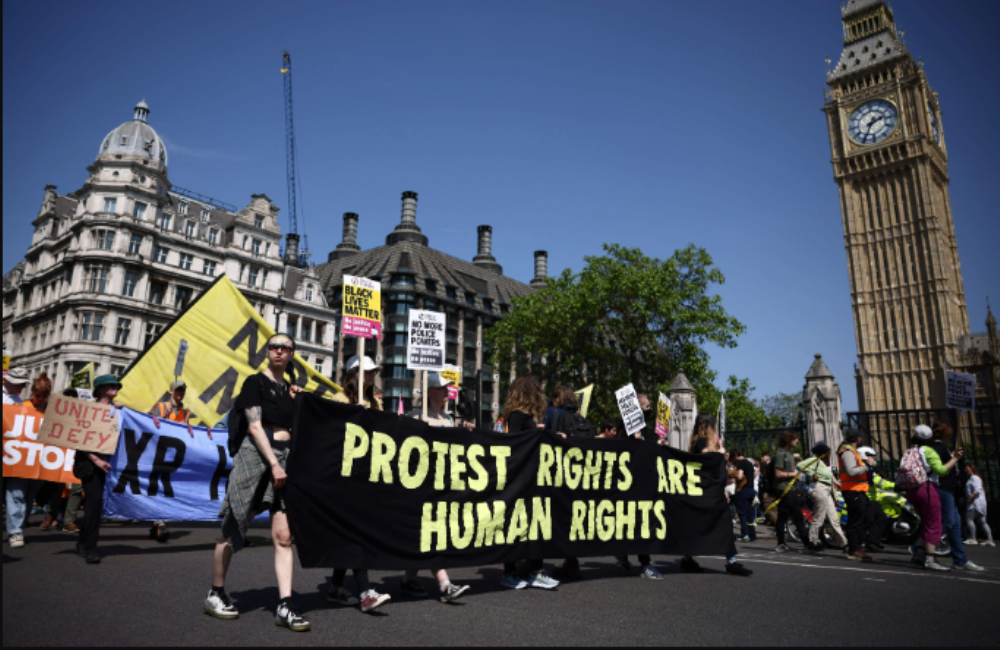
Human rights are the basic rights and freedoms that belong to every person, simply because they are human. These rights are not granted by any government or institution; they are inherent, universal and inalienable. They apply to all people, regardless of race, gender, nationality, ethnicity, language, religion or any other status. At their core, human rights are about ensuring dignity, freedom, equality and justice for all.
The modern understanding of human rights took shape in the aftermath of World War II, a time when the world witnessed the devastating consequences of unchecked power, war crimes, genocide and oppression. In response to these atrocities, the international community came together to define a set of principles that would protect the rights of individuals and promote peace and justice. This effort led to the creation of the Universal Declaration of Human Rights (UDHR) in 1948, adopted by the newly formed United Nations.
The UDHR outlines a broad range of rights and freedoms that every human being is entitled to, regardless of where they live or what government they live under. It includes civil and political rights such as the right to life, freedom of speech and the right to a fair trial. It also outlines economic, social and cultural rights, including the rights to education, work, health and an adequate standard of living. Although the UDHR is not a legally binding document, it has become a foundational text in international law and has inspired more than 70 human rights treaties and declarations across the globe.
One of the defining features of human rights is their universality. This means that they are not confined to any one culture or region and they do not depend on any individual’s status or identity. The idea that “all human beings are born free and equal in dignity and rights,” as declared in Article 1 of the UDHR, represents a powerful and inclusive vision of humanity. While different cultures may have unique ways of interpreting and expressing values, the core principles of dignity, respect and fairness are shared across societies.
Human rights are also indivisible and interdependent. This means that one right cannot be fully enjoyed without the others. For example, the right to education is closely connected to the right to freedom of expression and the right to participate in public life. Similarly, the right to health depends on access to clean water, adequate housing and a safe environment. When one right is violated, others are often put at risk.
Despite the universal recognition of human rights, their protection and fulfillment remain a global challenge. In many parts of the world, people are denied their rights due to war, poverty, authoritarian rule, systemic discrimination or lack of resources. Human rights violations can take many forms, ranging from political repression and torture to child labor, human trafficking and unequal access to education and healthcare. In some countries, speaking out against injustice can result in harassment, imprisonment or even death. This reality highlights the ongoing need for vigilance, advocacy and international cooperation to uphold human rights.
Human rights are not static; they evolve with the needs of society. As new issues arise—such as digital privacy, climate change or artificial intelligence—the human rights framework must adapt. The right to privacy, for instance, has taken on new dimensions in the digital age, where personal data is routinely collected, stored and exploited by corporations and governments. Similarly, climate change poses a significant threat to basic rights like access to food, clean water and safe housing, especially for vulnerable populations. These emerging challenges underscore the importance of constantly rethinking how we define and protect human rights in a rapidly changing world.
Governments have a legal and moral obligation to respect, protect and fulfill human rights. This means they must not only refrain from violating rights but also take active steps to ensure that people can access and enjoy them. At the same time, individuals and civil society play a crucial role in holding governments accountable and promoting a culture of human rights. Journalists, activists, educators and everyday citizens are all essential to this process.
Understanding what human rights are is the first step toward ensuring they are respected for everyone, everywhere. They are not privileges to be earned or gifts to be granted; they are the foundation of freedom and justice in every society. By recognizing and defending the rights of others, we affirm our own humanity and help build a more just, inclusive and compassionate world.
 The Human Rights Observer