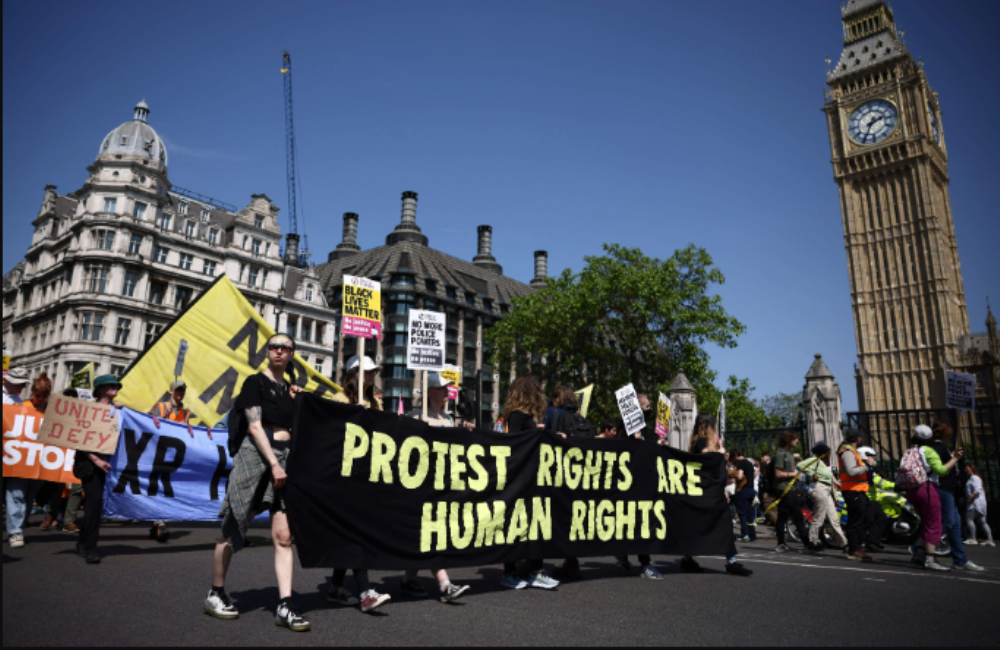
Civil and political rights are at the heart of what it means to live freely and participate meaningfully in society. They are the rights that protect individual freedoms and ensure that people can take part in the political and public life of their communities without fear of oppression, discrimination or abuse. These rights are often seen as the most fundamental because they are the ones that protect the individual from the unchecked power of the state.
Unlike economic and social rights, which often require government investment and resources, civil and political rights primarily require governments to refrain from interfering in certain areas of a person’s life. They include the right to life, liberty and personal security; freedom of speech and expression; freedom of religion and belief; the right to vote and participate in government; the right to protest and assemble peacefully; and the right to a fair trial, among others.
The modern recognition of civil and political rights emerged in response to centuries of arbitrary rule, religious persecution, political repression and authoritarianism. These rights are enshrined in key international documents, most notably the Universal Declaration of Human Rights (UDHR) of 1948 and the International Covenant on Civil and Political Rights (ICCPR), adopted by the United Nations in 1966. Together, these documents form the legal and moral backbone for democratic governance and human dignity worldwide.
One of the most basic civil rights is the right to life. Without it, no other rights are possible. It is a principle that protects people from arbitrary killings, executions and violence by the state or other actors. Closely linked is the right to personal liberty and security, which means no one should be subjected to arbitrary arrest or detention. In a just society, people must be free from the fear of being taken from their homes or imprisoned without cause or legal process.
Freedom of expression is another essential right. It allows individuals to speak their minds, share information, criticize those in power and exchange ideas. This freedom is not just about the right to talk; it includes freedom of the press, access to information and the right to use the internet and other media to communicate. In societies where this right is respected, citizens are better informed, public debate thrives and governments are more accountable.
The right to vote and participate in public affairs ensures that people have a say in how they are governed. This right empowers individuals to shape the laws and policies that affect their lives and it ensures that those in power remain accountable to the people they serve.
The right to peaceful assembly and association protects the ability of individuals to come together, form groups, hold meetings and protest peacefully. Whether it’s workers organizing for fair wages, communities protesting injustice or activists demanding change, this right is a vital part of civic life. Without it, societies become silent, dissent is stifled and progress stalls.
Civil and political rights also include the right to a fair trial and equal protection under the law. These ensure that everyone, regardless of their background or status, has access to justice and is treated fairly in the legal system. People must be presumed innocent until proven guilty, have access to legal representation and be judged by an independent and impartial tribunal. In too many places, these guarantees are still far from reality.
Despite being widely recognized, civil and political rights are constantly under threat. In authoritarian states, these rights are often systematically suppressed. Journalists are jailed, elections are rigged, protests are banned and critics of the government disappear. Even in democratic countries, these rights can be eroded under the guise of national security, public order or morality. Surveillance, censorship, police brutality and voter suppression are all examples of how civil and political rights can be undermined.
It is also important to note that civil and political rights do not exist in isolation. They are connected to other rights, such as the right to education, health and a decent standard of living. A person cannot meaningfully participate in political life if they are illiterate or living in extreme poverty. This interdependence shows that all rights are necessary for a life of dignity and equality.
Protecting civil and political rights requires more than just good laws. It demands strong institutions, independent courts, an active civil society and a culture of accountability. It also depends on individuals knowing their rights and being willing to stand up for them—not just for themselves, but for others as well.
Civil and political rights are not privileges granted by the state. They are the birthright of every person. When these rights are respected, societies flourish. When they are denied, oppression and fear take root. Upholding them is essential not only for the freedom of individuals but for the health of entire nations.
 The Human Rights Observer