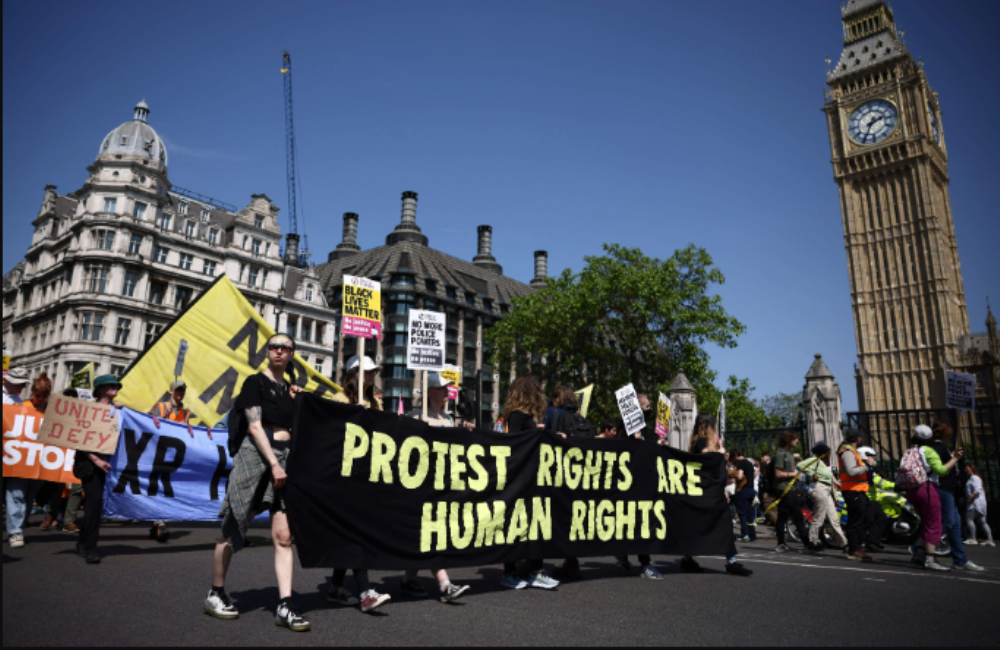
Freedom of expression is one of the most vital and powerful human rights. It allows individuals to speak their minds, share ideas, express their beliefs and participate fully in the cultural, political and social life of their communities. Closely linked to this is press freedom, which are primarily the right of journalists and media outlets to report the news, investigate the actions of those in power and inform the public without fear of censorship, intimidation or violence. These freedoms are essential for transparency, accountability and the healthy functioning of any society.
The Universal Declaration of Human Rights, in Article 19, affirms that everyone has the right to freedom of opinion and expression. This includes the freedom to hold opinions without interference and to seek, receive and impart information and ideas through any media, regardless of frontiers. In short, it is a right that protects not only the ability to speak but also the ability to access information and to engage in open debate.
Freedom of expression is not just about political speech or the right to criticize a government, though those are crucial. It also includes artistic expression, academic inquiry, religious beliefs and even unpopular or controversial opinions. The ability to speak openly, challenge dominant ideas and express minority viewpoints is central to innovation, social progress and the protection of all other human rights.
Press freedom, in particular, plays a unique role in ensuring that society remains informed and engaged. A free and independent media serves as a watchdog against corruption, abuse of power and human rights violations. It provides the public with the information they need to make informed decisions, hold leaders accountable and understand the world around them. Journalists help amplify marginalized voices, uncover hidden truths and create space for public discourse.
However, freedom of expression and press freedom are under increasing threat around the world. In many countries, journalists are harassed, imprisoned or even killed for doing their jobs. Media outlets face censorship, legal intimidation and government takeovers. In authoritarian regimes, the state often controls the flow of information entirely, silencing dissent and spreading propaganda. Even in democratic societies, these freedoms can be eroded by subtle means, such as strategic lawsuits, media concentration, surveillance or online harassment.
Social media and digital platforms have transformed the way information is shared and consumed, creating both new opportunities and new challenges for freedom of expression. On one hand, these platforms have democratized speech, giving ordinary people the ability to publish their thoughts and connect across borders. On the other hand, they have also become battlegrounds for misinformation, hate speech and manipulation. Governments, corporations and other actors now wield unprecedented power over what content is seen or removed, raising complex questions about regulation, censorship and responsibility.
While freedom of expression is a fundamental right, it is not absolute. International human rights law recognizes that this right may be subject to certain limitations, provided they are lawful, necessary and proportionate. These limits are meant to balance freedom of speech with the protection of other rights and interests, such as public order, national security or the rights and reputations of others. For example, incitement to violence, hate speech and defamation can be restricted under specific conditions. However, these limitations must not be used as a pretext to silence legitimate criticism or suppress dissent.
It is also important to recognize that access to freedom of expression is not equally distributed. Marginalized groups—such as minorities, indigenous peoples, individuals and people with disabilities—often face systemic barriers that limit their ability to be heard. Cultural norms, legal restrictions and online abuse can all contribute to the silencing of these voices. True freedom of expression must be inclusive, ensuring that everyone can participate in the conversation, not just those with privilege or power.
Education plays a crucial role in supporting both freedom of expression and press freedom. Media literacy helps people understand how information is produced, distinguish fact from misinformation and engage critically with content. A well-informed public is less vulnerable to manipulation and better equipped to defend its rights.
Protecting these freedoms requires more than laws; it demands a cultural commitment to open dialogue, tolerance and pluralism. It requires robust institutions, independent courts and a civil society willing to stand up for the truth. Journalists must be protected, not persecuted. Artists, activists and academics must be allowed to question, challenge and inspire. Ordinary citizens must be free to speak, listen and be heard.
Freedom of expression is not just the right to talk, it is the right to be human in a public world. It is the means by which we learn, grow and hold each other accountable. Without it, all other rights are at risk. With it, we can build societies that are more open, more just and more resilient.
 The Human Rights Observer