Racial and ethnic equality is a fundamental human right and a moral imperative that lies at the heart of justice, dignity and social harmony. It is the recognition that every person, regardless of their race, ethnicity, skin color or cultural background, is entitled to equal treatment, equal protection under the law and equal opportunities to thrive. Racial and ethnic equality is not about sameness; it is about fairness, inclusion and the affirmation of human worth in all its diversity.
The Universal Declaration of Human Rights begins with a simple yet powerful statement: “All human beings are born free and equal in dignity and rights.” This foundational principle is echoed in numerous international treaties, including the International Convention on the Elimination of All Forms of Racial Discrimination. These legal frameworks affirm that discrimination based on race or ethnicity is not only unjust but a violation of international human rights standards.
Despite these commitments, racial and ethnic discrimination remains a persistent and global problem. From structural inequality and economic exclusion to hate speech and violence, people around the world continue to face barriers to their full and equal participation in society simply because of who they are. In some cases, entire communities are marginalized, segregated or criminalized based on race or ethnicity, denied access to education, employment, healthcare, housing and justice.
Racial inequality often runs deep within the institutions that shape daily life. In many countries, policing practices, judicial systems and immigration laws disproportionately target racial and ethnic minorities. In the workplace, people from marginalized groups are more likely to face discrimination, underrepresentation or wage disparities. In education, racial bias can influence everything from access to quality schools to disciplinary actions. These disparities are not accidental; they are the result of historical injustices, social attitudes and policies that perpetuate exclusion.
Ethnic discrimination, though sometimes distinct from racial prejudice, often operates in similar ways. It can involve the marginalization of indigenous peoples, linguistic minorities or ethnic groups with distinct cultural practices. In extreme cases, ethnic discrimination has fueled armed conflict, forced displacement and even genocide. Across many societies, these patterns are reinforced by myths of cultural superiority, political scapegoating or nationalistic ideologies that portray diversity as a threat rather than a strength.
Racial and ethnic equality is not just about addressing overt acts of hatred or violence, it is also about dismantling the systems and assumptions that uphold inequality. This means recognizing the ways in which racism and ethnocentrism are embedded in laws, institutions and social norms. It also means actively working to correct these imbalances through anti-discrimination policies, affirmative action, inclusive education and meaningful representation in political and public life.
Education plays a crucial role in advancing equality. Teaching accurate history, including the painful legacies of colonialism, slavery, apartheid and systemic racism, is essential to understanding the present and building a more just future. Culturally responsive curricula, multilingual instruction and anti-bias training can help create inclusive learning environments where all students feel valued and seen.
Legal protection is also critical. States have an obligation to prohibit and prevent racial and ethnic discrimination in all forms. This includes enacting anti-discrimination laws, investigating and prosecuting hate crimes and ensuring access to justice for victims of racial or ethnic abuse. Laws alone, however, are not enough; they must be enforced consistently and equitably and accompanied by a strong political and social commitment to equality.
Achieving racial and ethnic equality also requires listening to and centering the voices of those most affected. Minority and indigenous communities must be empowered to speak for themselves, define their own priorities and participate fully in decisions that affect their lives. Representation in government, media and leadership is essential, not just as a symbol of inclusion, but as a vehicle for real change.
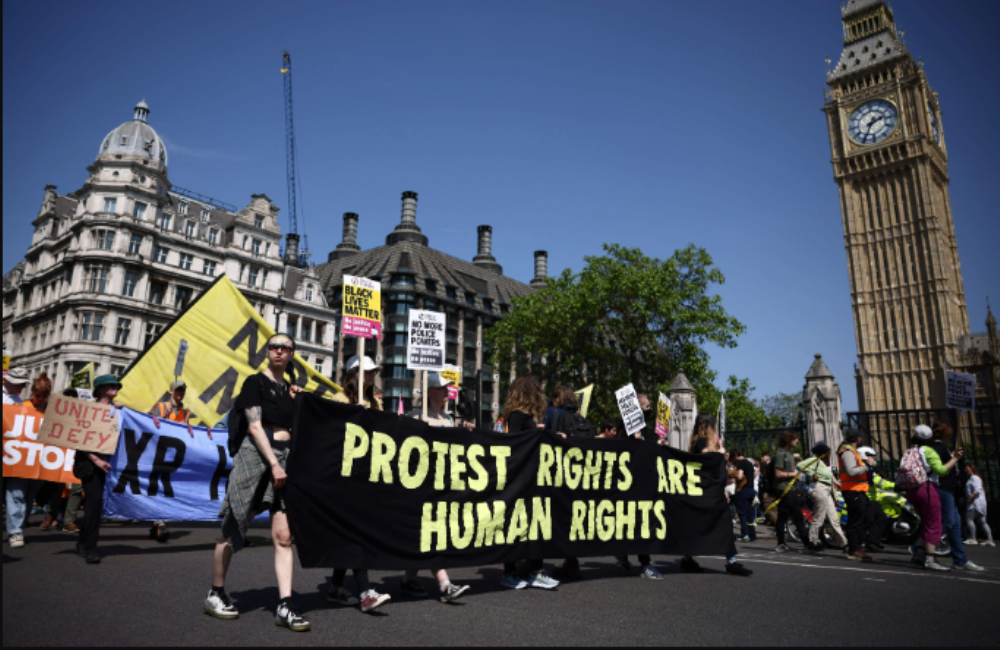
In recent years, global movements such as Black Lives Matter, Indigenous rights campaigns and anti-racism protests have brought renewed attention to the need for racial justice. These movements have challenged the status quo, forced institutions to confront uncomfortable truths and inspired millions to take action. They have reminded the world that racial and ethnic equality is not a passive state, but something that must be actively pursued and protected.
True equality does not mean pretending that race or ethnicity doesn’t matter; it means ensuring that it never determines the value of a person’s life or limits their opportunities. It means celebrating cultural diversity while affirming the universal rights and dignity of all people. And it means recognizing that injustice anywhere threatens justice everywhere.
Racial and ethnic equality is not just a human rights issue, it is a measure of our shared humanity. It reflects our collective willingness to build societies based not on exclusion or dominance, but on mutual respect, solidarity and justice. As long as racial and ethnic discrimination persists, the work of human rights remains unfinished. But with courage, commitment and collective action, that work can, and must, be completed.
 The Human Rights Observer