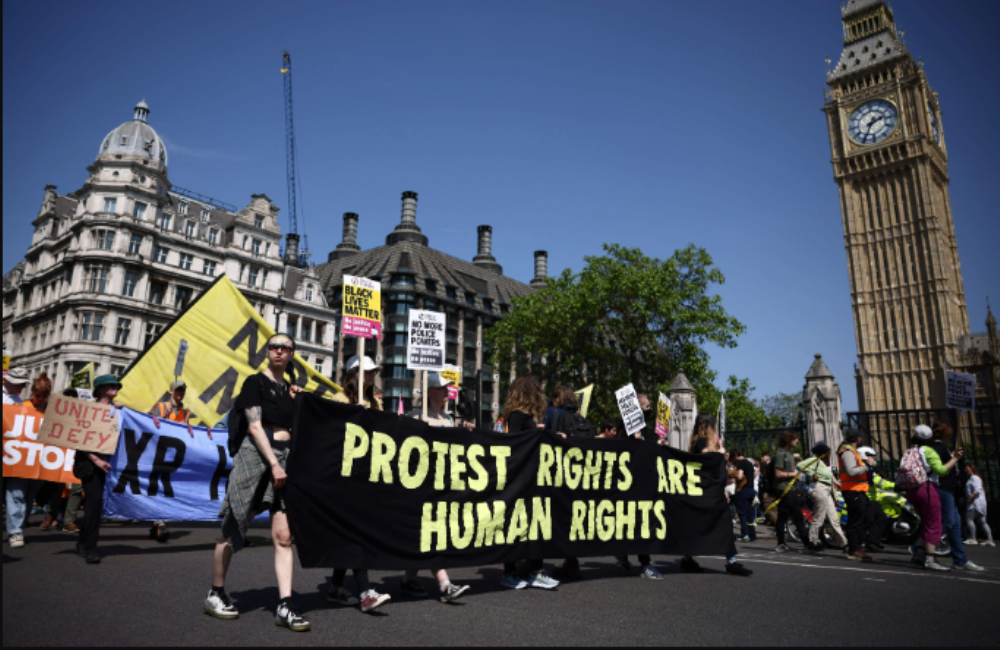
Disability rights are human rights. This simple truth has taken far too long to gain widespread recognition, but it now stands as a powerful principle shaping laws, policies and attitudes across the world. People with disabilities—whether physical, sensory, intellectual or psychosocial—have the same rights as anyone else: to live with dignity, to participate fully in society and to make choices about their own lives. These rights are not acts of charity or generosity; they are matters of justice, equality and respect for human dignity.
Globally, over one billion people live with some form of disability. They are found in every country, culture and community and yet they are among the most marginalized and excluded populations. Historically, people with disabilities have faced discrimination, invisibility and neglect. They have been denied education, employment, healthcare and the freedom to make decisions about their own lives. Many have been institutionalized, isolated from society or treated as burdens rather than as citizens with rights.
The modern disability rights movement challenges these deeply ingrained injustices. It asserts that the problem is not the person with the disability, but the physical, social, economic and attitudinal barriers created by society. These barriers limit access, restrict choices and deny equal opportunity. Disability rights are therefore about removing those barriers and creating a world where all people can live freely, equally and with dignity.
The landmark international instrument affirming these rights is the United Nations Convention on the Rights of Persons with Disabilities (CRPD), adopted in 2006. The CRPD represents a major shift in how disability is understood, not as a medical condition to be “fixed” but as a natural part of human diversity that must be respected and accommodated. It emphasizes autonomy, inclusion and the importance of accessibility in all aspects of life.
The right to accessibility is central to disability rights. Whether it’s ramps into buildings, captions on videos, accessible websites or transportation systems that accommodate mobility devices, accessibility is what makes participation possible. Without it, people with disabilities are effectively shut out from education, employment, healthcare, public services and cultural life. Ensuring accessibility is not a special favor; it is a legal and moral obligation.
Education is another critical area. Inclusive education systems are essential for ensuring that children with disabilities have equal opportunities to learn and grow alongside their peers. This means not only physical access to schools, but also inclusive curricula, trained teachers and individualized support when needed. Segregated or substandard education denies children with disabilities the chance to reach their full potential and reinforces cycles of exclusion.
Employment remains a significant barrier for many people with disabilities. Discrimination, inaccessible workplaces and limited training opportunities contribute to high unemployment and underemployment rates. The right to work includes the right to equal pay, reasonable accommodations and protection against discrimination. Inclusive hiring practices and workplace adaptations benefit not only individuals with disabilities, but employers and society as a whole.
Healthcare access is equally important. People with disabilities often face physical barriers, lack of transportation, communication difficulties and discrimination when trying to access medical services. In some places, harmful practices such as forced sterilization or denial of reproductive rights still occur. The right to health must be inclusive, equitable and respectful of the rights and dignity of all patients.
Legal capacity and decision-making are other vital areas. Many people with intellectual or psychosocial disabilities are still denied the right to make decisions about their own lives, often placed under guardianship or institutional care against their will. The CRPD promotes supported decision-making, which enables individuals to receive the assistance they need to make their own choices—about where to live, what treatment to accept and how to manage their affairs.
Social attitudes remain one of the biggest challenges to realizing disability rights. Stigma, stereotypes and paternalism continue to influence how people with disabilities are treated. Too often, they are seen as dependent, incapable or objects of pity. Changing this narrative means shifting from a charity-based model to one based on rights, empowerment and inclusion.
Real progress is being made. Around the world, people with disabilities are organizing, advocating and demanding recognition and respect. Laws are being reformed, public spaces are becoming more accessible and awareness is slowly growing. However, much work remains. The rights of people with disabilities are still routinely overlooked or denied, especially in lower-income countries or crisis situations where services are limited and discrimination is widespread.
Disability rights are not about making exceptions; they are about fulfilling universal principles of equality and justice. A truly inclusive society is one that values every individual and ensures that no one is left behind. The test of a just society is not how it treats the majority, but how it treats those who are often pushed to the margins.
The full realization of disability rights demands more than laws; it requires a cultural shift, one that embraces diversity, promotes accessibility and centers the voices of people with disabilities in every decision that affects them. Because when everyone is included, everyone benefits.
 The Human Rights Observer