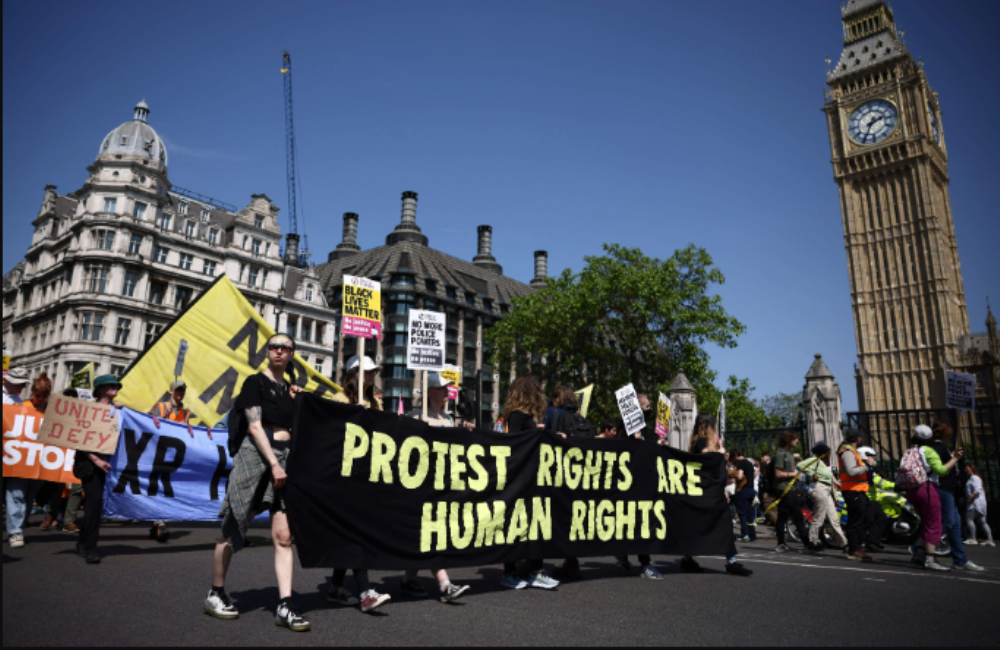
The rights of refugees and migrants stand as a crucial test of our collective humanity in an increasingly interconnected and yet divided world. People on the move—whether fleeing war, persecution, poverty or climate disasters—do not lose their human rights when they cross a border. On the contrary, they remain entitled to the same dignity, protection and freedom as anyone else. The recognition of refugee and migrant rights is not just a legal obligation; it is a moral imperative grounded in compassion, justice and the fundamental equality of all people.
Refugees are individuals who have been forced to flee their country due to a well-founded fear of persecution based on race, religion, nationality, political opinion or membership in a particular social group. Their status is protected under international law, particularly the 1951 Refugee Convention and its 1967 Protocol. These instruments affirm that refugees must not be returned to a place where they face serious threats to their life or freedom, a principle known as non-refoulement.
Migrants, while not always covered by the same legal protections as refugees, also possess fundamental rights under international human rights law. Whether they move voluntarily or due to desperate circumstances, they remain human beings first, deserving of safety, fair treatment and the ability to seek a better life. Distinguishing between refugees and migrants may have legal relevance, but it must never be used to justify denying anyone their basic rights.
In reality, the experiences of refugees and migrants are often marked by vulnerability and hardship. People fleeing danger may face dangerous journeys across seas, deserts and borders, often at the mercy of smugglers or traffickers. Many arrive in foreign countries with little more than hope, only to encounter detention, discrimination or hostility. Instead of receiving protection and empathy, they are too often criminalized, politicized or scapegoated.
Border policies in many parts of the world have become increasingly harsh and exclusionary. Governments erect walls, deploy military forces and pass laws designed to deter migrants rather than protect them. Asylum seekers are subjected to prolonged detention, legal limbo and forced returns. Children are separated from families. People drown at sea while trying to reach safety. These practices not only violate international law, they undermine the very values of human dignity and solidarity.
One of the most common misconceptions is that refugees and migrants pose a threat to host societies. In fact, time and again, they contribute to the social, cultural and economic fabric of the communities they join. Migrants fill labor shortages, start businesses and enrich the diversity of their new homes. Refugees often display extraordinary resilience and determination, rebuilding their lives and giving back to the countries that welcomed them. When given the opportunity, they are not a burden; they are a benefit.
Protecting refugee and migrant rights requires a global and coordinated response. The responsibility cannot rest solely on countries located near conflict zones or along major migration routes. Wealthier nations must do more to share responsibility through resettlement programs, humanitarian aid and policies that prioritize protection over deterrence. At the same time, international cooperation is essential to address the root causes of displacement, i.e. conflict, persecution, inequality and climate change.
It is also crucial to recognize the specific challenges faced by certain groups within migrant and refugee populations. Women and girls, for instance, are at heightened risk of gender-based violence, both during their journeys and in camps or detention centers. Unaccompanied minors are especially vulnerable to exploitation, abuse and neglect. A rights-based approach must take into account these intersecting vulnerabilities.
Legal protection must be accompanied by practical support. Access to asylum procedures, legal aid, language interpretation, healthcare, education and housing are all essential to ensure that rights are not only recognized but realized. Integration policies must be designed to empower, not isolate. This includes offering pathways to permanent residence, access to the labor market and opportunities for civic participation.
Public perception and political will play a powerful role in shaping how refugees and migrants are treated. Media narratives that dehumanize or criminalize people on the move fuel fear, prejudice and xenophobia. In contrast, stories that highlight the human side of migration can help build empathy, reduce stigma and foster inclusion. Advocacy, education and solidarity are all essential tools in the fight for migrant and refugee rights.
At the heart of this issue is a simple truth: no one chooses to be a refugee. No one leaves their home, their family and everything they know unless they have no other choice. Migration is as old as humanity itself. It is a natural response to danger, hardship and the search for safety and opportunity. The question is not whether people will move, but how we, as a global society, will respond when they do.
To defend the rights of refugees and migrants is to defend the values that bind us as a human community. It is to affirm that borders do not define the worth of a person and that every individual, regardless of origin, deserves to live in safety, dignity and peace.
 The Human Rights Observer