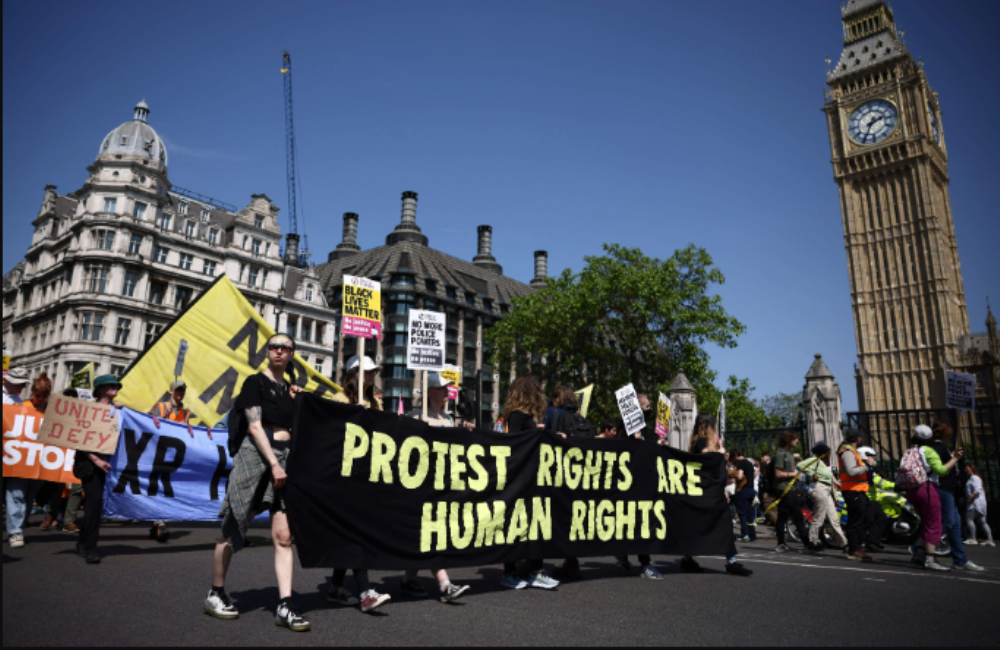
The environment is not a separate issue from human rights; it is the very ground upon which all other rights stand. Clean air, safe water, fertile soil, a stable climate and healthy ecosystems are not luxuries. They are necessities for life, health and dignity. As environmental degradation intensifies—from deforestation and pollution to climate change and biodiversity loss—the recognition of environmental rights as fundamental human rights becomes not only urgent, but essential.
Environmental rights refer to the entitlements individuals and communities have to a safe, clean, healthy and sustainable environment. This concept has gained increasing recognition in both national and international frameworks. In 2022, the United Nations General Assembly formally declared access to a clean, healthy and sustainable environment as a universal human right. While this declaration is not legally binding, it marks a significant step in aligning environmental protection with human dignity and justice.
The connection between environmental harm and human suffering is clear. When air is polluted, respiratory diseases rise. When water sources are contaminated, communities face illness, food insecurity and economic hardship. When forests are destroyed, biodiversity collapses, indigenous lands are stolen and global climate systems become destabilized. Environmental harm does not only damage nature, but also violates people’s right to life, health, livelihood and culture.
Vulnerable populations are often hit the hardest. Low-income communities, Indigenous peoples, women and children disproportionately bear the consequences of environmental destruction. They may live in areas near landfills, factories or polluted rivers, not by choice but by systemic exclusion. Their voices are often ignored in environmental decision-making, even though their lives are most directly affected. Environmental injustice is deeply intertwined with social, racial and economic inequality.
Indigenous communities have long defended the land, water and ecosystems upon which they depend. Their traditional knowledge and stewardship practices are essential for conservation. Yet, these communities are frequently displaced, criminalized or even killed for standing up against extractive industries and land grabs. The protection of environmental rights must include the protection of environmental defenders, many of whom risk their lives simply for saying “no” to exploitation.
Governments have a responsibility to protect the environment as part of their human rights obligations. This includes regulating pollution, conserving natural resources, reducing greenhouse gas emissions and enforcing laws that safeguard ecosystems and public health. It also means providing access to justice when environmental harm occurs, whether through courts, administrative bodies or independent watchdogs. Victims of environmental damage must be able to seek redress and those responsible must be held accountable.
The right to a healthy environment also encompasses three procedural rights: access to information, public participation and access to justice in environmental matters. Known as environmental democracy, these principles are enshrined in agreements like the Aarhus Convention and the Escazú Agreement. They empower people to be involved in decisions that affect their environment and ensure that environmental governance is transparent, inclusive and fair.
At the same time, individuals and corporations have duties not to harm the environment and not to violate the rights of others through environmental destruction. Major industries, particularly in fossil fuels, mining, agriculture and manufacturing, have a significant impact on environmental conditions and therefore on human rights. As global supply chains grow more complex, ensuring corporate environmental responsibility is a pressing challenge.
Climate change is perhaps the greatest threat to environmental rights today. Rising sea levels, more intense storms, prolonged droughts and shifting ecosystems are undermining food security, housing, health and the very survival of entire communities. Climate action is not just a scientific or economic issue, it is a human rights imperative. Climate justice demands that those who have contributed least to the crisis are not made to suffer most and that mitigation and adaptation strategies uphold the rights of all.
Youth movements and environmental activists around the world are increasingly turning to legal strategies to defend their environmental rights. Courts in several countries have begun to recognize the government’s failure to act on climate change or pollution as a violation of constitutional or human rights. These legal victories are shaping a growing body of environmental jurisprudence that may become one of the most important tools for advancing both environmental and human rights.
Environmental rights remind us that humanity is not separate from nature, we are part of it. The degradation of the planet ultimately becomes the degradation of our own lives, communities and futures. Protecting the environment is not a distraction from human rights work, it is central to it.
As the climate crisis accelerates and ecological damage deepens, the recognition, defense and realization of environmental rights will be essential to ensuring a just and livable future. This is not simply about conservation or sustainability, it is about survival, justice and respect for life in all its forms.
The health of our planet is the foundation of our human rights. To defend one is to defend the other.
 The Human Rights Observer