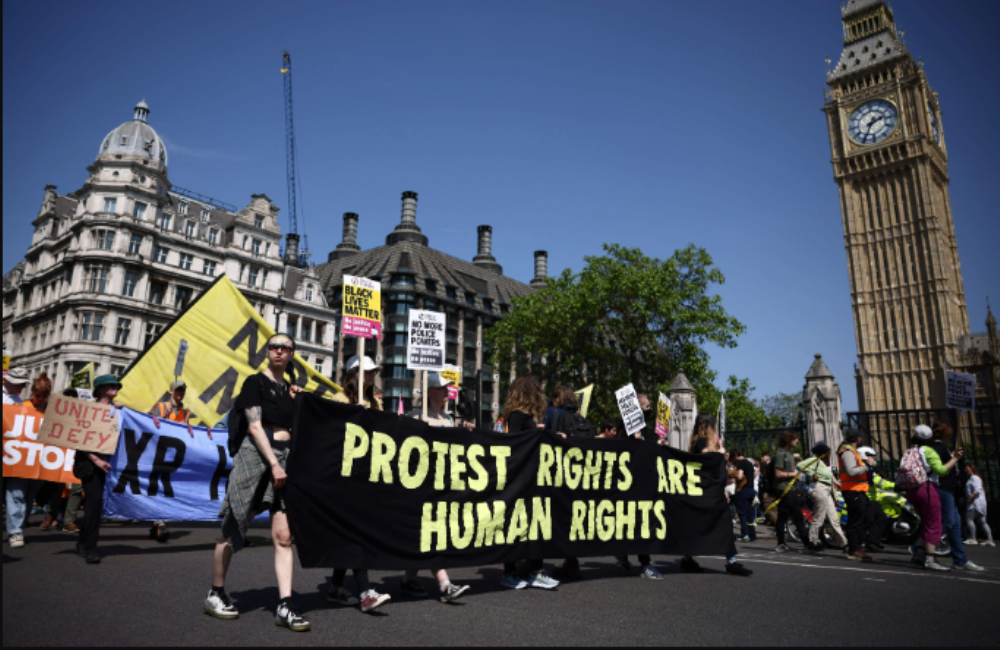
When lockdowns first swept across the globe in early 2020, they were presented as necessary, temporary measures to slow the spread of COVID-19. But in many countries, the way these measures have been enforced has raised urgent human rights concerns. Behind the language of “public safety” lies a darker reality: arbitrary arrests, police violence, militarized enforcement and discriminatory crackdowns, often targeting the very communities most affected by the pandemic.
In South Africa, videos surfaced of police officers using rubber bullets and whips to disperse residents in poor neighborhoods. In India, street vendors and migrant workers were beaten with batons for violating curfews, many of them simply trying to find food. In Kenya, multiple deaths were reported during the first week of curfew enforcement, including a 13-year-old boy shot while standing on his balcony. Similar scenes played out in the Philippines, Nigeria, Colombia and beyond.
Often, these abuses are not the work of rogue individuals, but the result of systemic approaches that frame lockdown as a law-and-order problem rather than a public health challenge. Military personnel have been deployed in numerous countries to enforce civilian restrictions. Mass detentions and humiliating punishments, such as forcing people to perform exercises or lie in coffins, have been used as deterrents. Such tactics may intimidate, but they do not foster public trust or compliance.
The victims of these crackdowns are frequently the poor, the informal workers, the homeless and those already living at the margins of society. In many cases, they are punished not for defiance, but for desperation, especially in circumstances when they step outside in search of food, medicine or income. Meanwhile, wealthier citizens and elites have often faced little scrutiny for violating the same rules. The result is a stark double standard: one lockdown for the powerful and another for the powerless.
International law allows for temporary restrictions on movement and assembly in emergencies, but enforcement must always respect human dignity, proportionality and legality. Force should be a last resort, not a first response. Yet in many countries, law enforcement has been given broad, unchecked powers with little accountability. Complaints of police violence and abuse have been dismissed, investigations stalled and civil society silenced.
Moreover, the pandemic has created fertile ground for authoritarian tendencies. In Hungary and the Philippines, emergency laws have granted sweeping powers to leaders, with limited timeframes or checks. In Belarus, protests against a rigged election were met with mass arrests, beatings and detentions, justified in part by public health concerns. COVID-19 has become a convenient cover for silencing dissent and expanding state control.
Lockdown enforcement must be reframed. Public health relies on public cooperation, not coercion. Education, access to food and sanitation and community engagement are far more effective than violence in promoting compliance. Police and military should not be at the front lines of a health crisis. Instead, resources should go toward healthcare workers, social workers and local organizations who can support the most affected.
There is also a need for accountability. Every instance of abuse must be documented, investigated and addressed. Emergency powers must be time-bound and subject to regular review. Civil society organizations and human rights defenders must be protected in their role as watchdogs. Crisis must not be used as a justification for impunity.
The pandemic has not only laid bare the fault lines of our societies, but also revealed the cost of tolerating unchecked power. As countries move in and out of lockdown, the challenge remains: how to protect public health without sacrificing civil liberties. The answer lies not in more force, but in more justice.
We cannot flatten the curve by flattening human rights.
 The Human Rights Observer